Sensory Play
Toys and tools that support sensory regulation, tolerance, and exploration — organized by sensory system and vetted against what pediatric OTs consistently recommend.
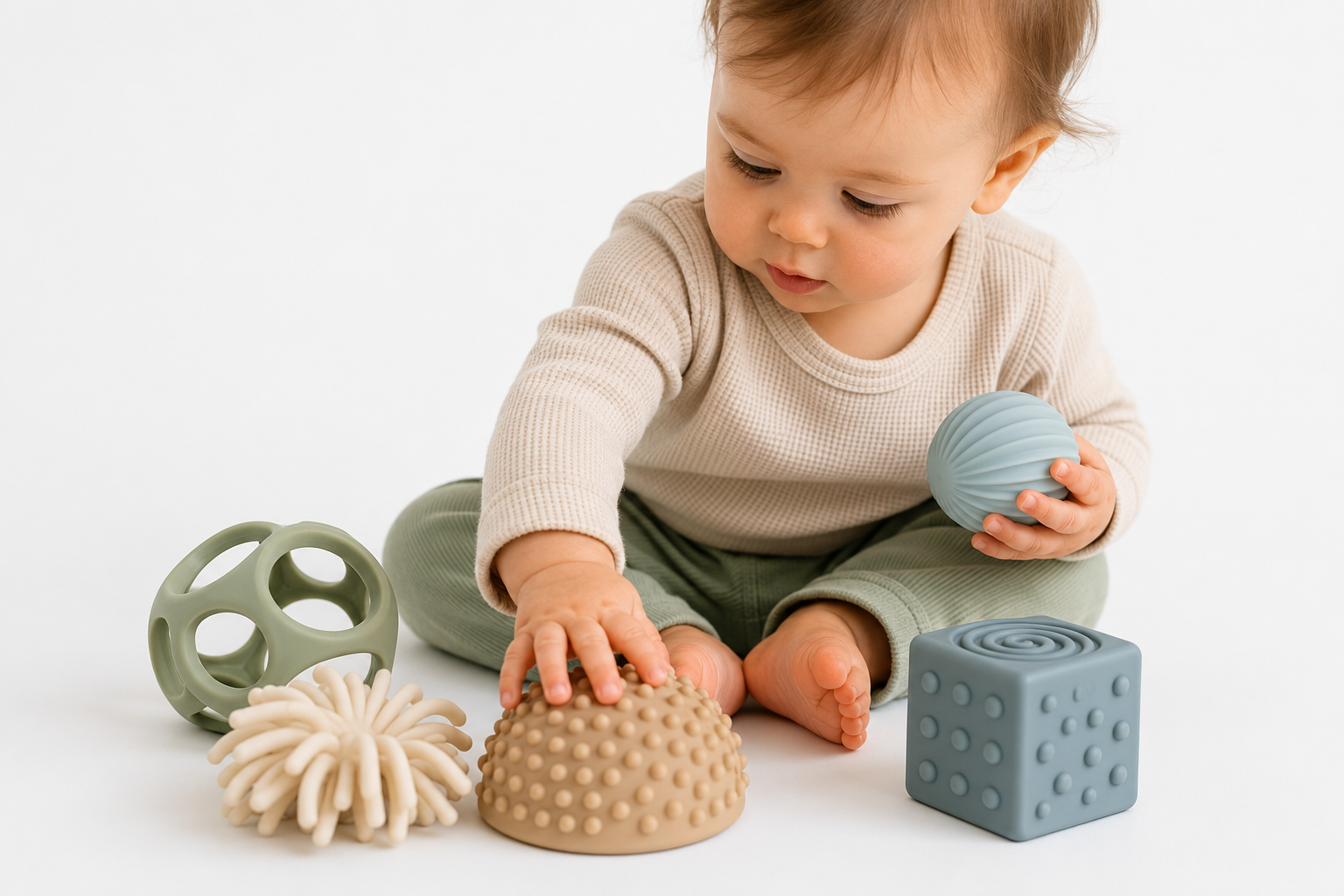
Important note on weighted items
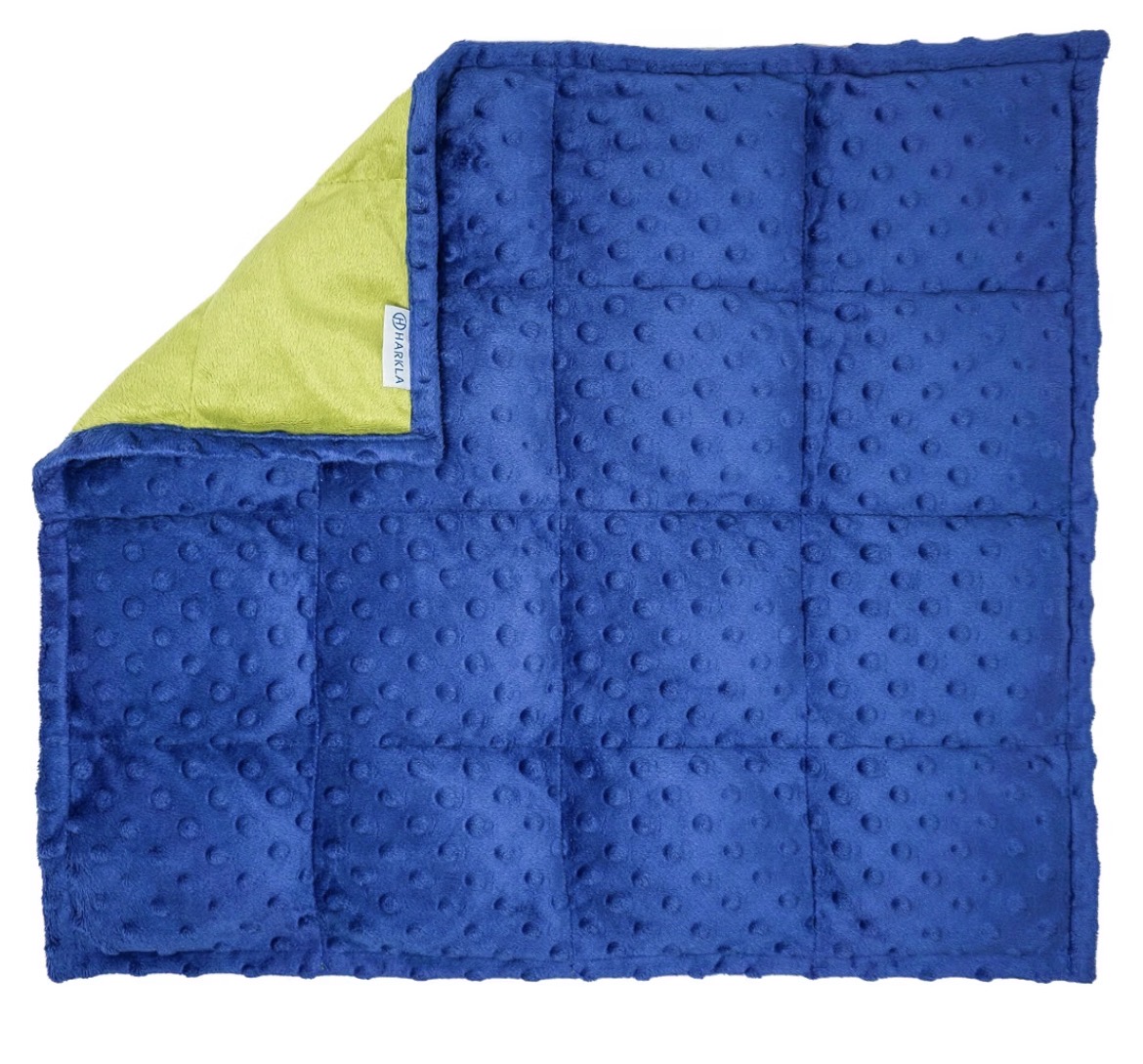
Weighted blankets, vests, and lap pads should always be used with OT guidance. The standard guideline is approximately 10% of the child's body weight — but for very young children this must be confirmed with their OT. Never use weighted items without professional input on correct weight and duration.
Tactile (Touch)
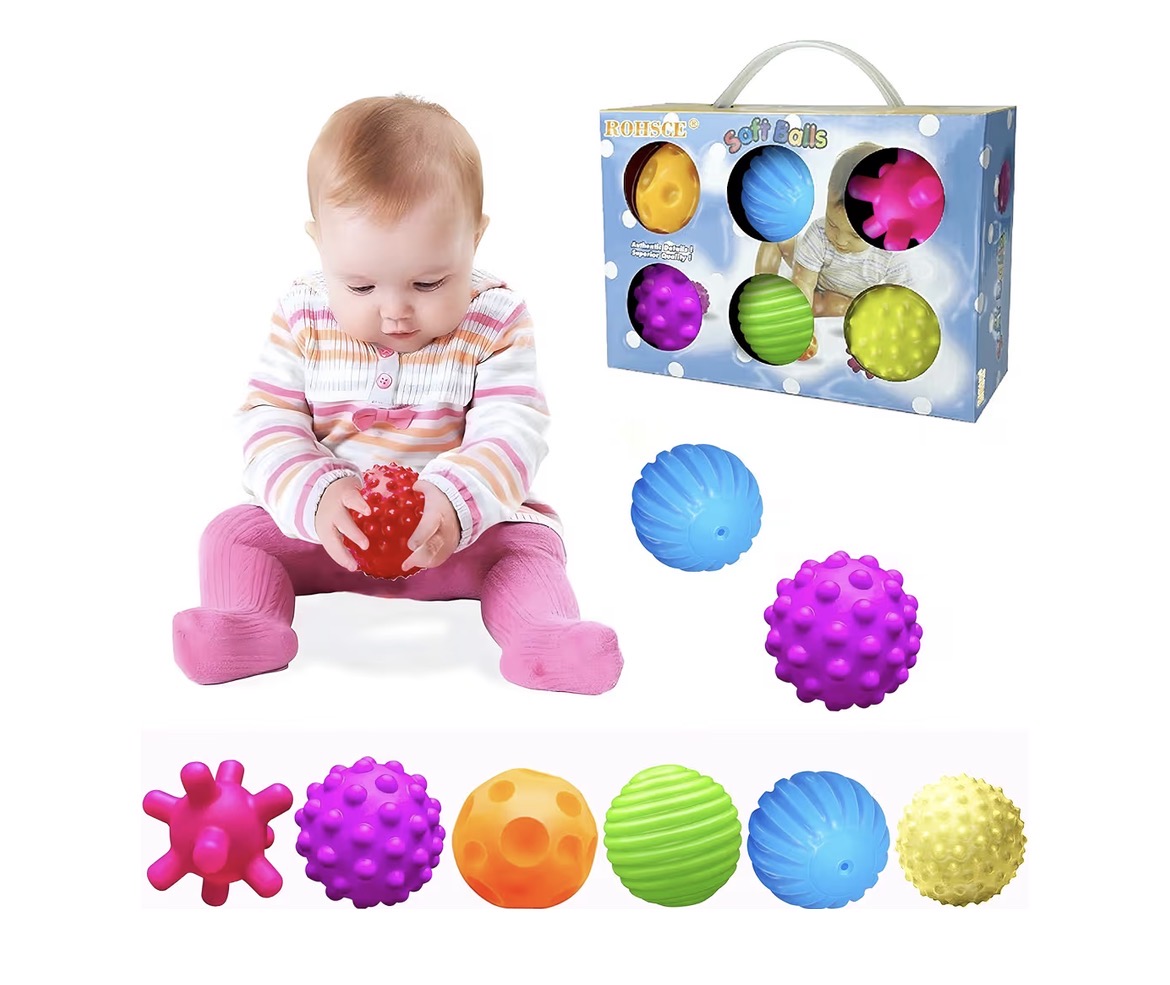
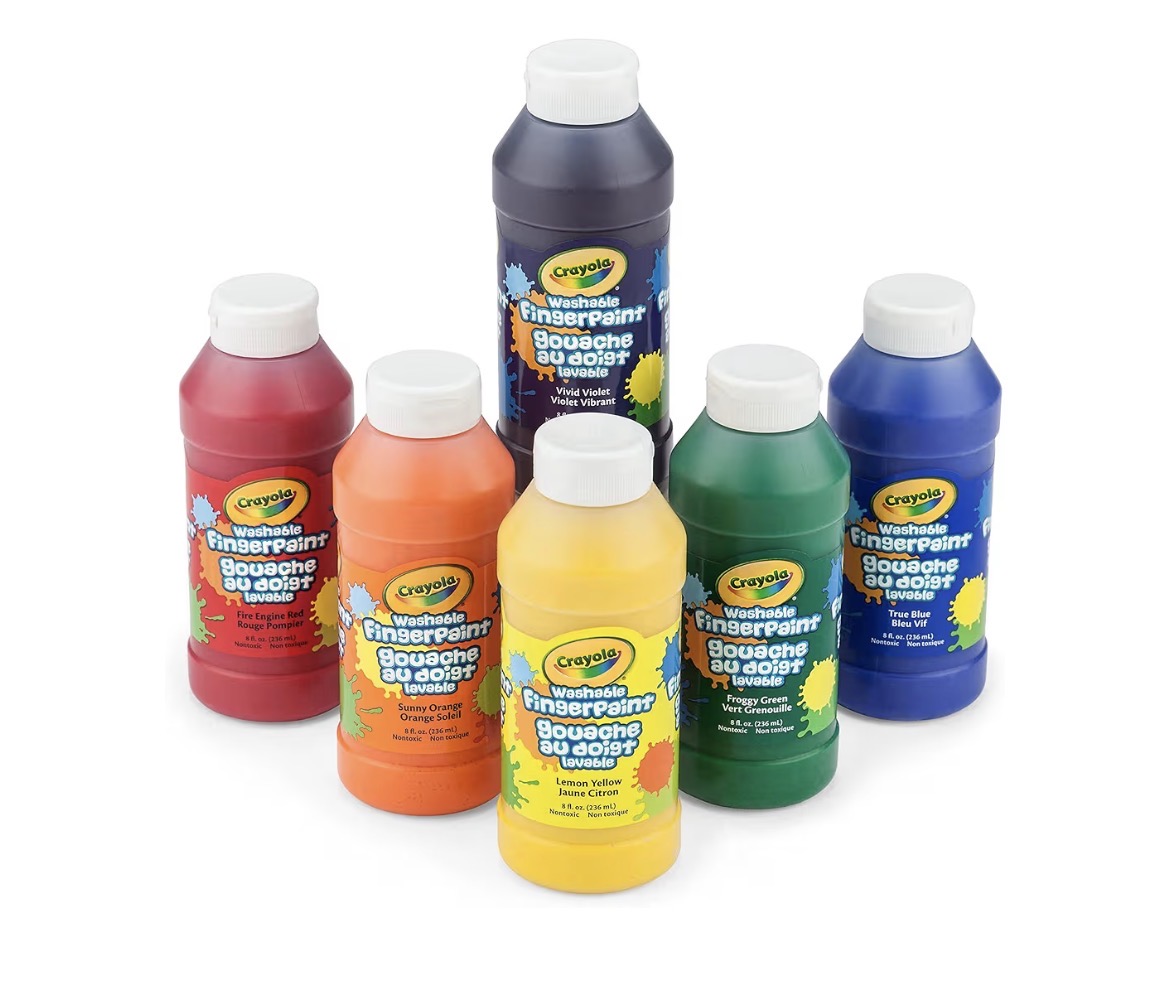
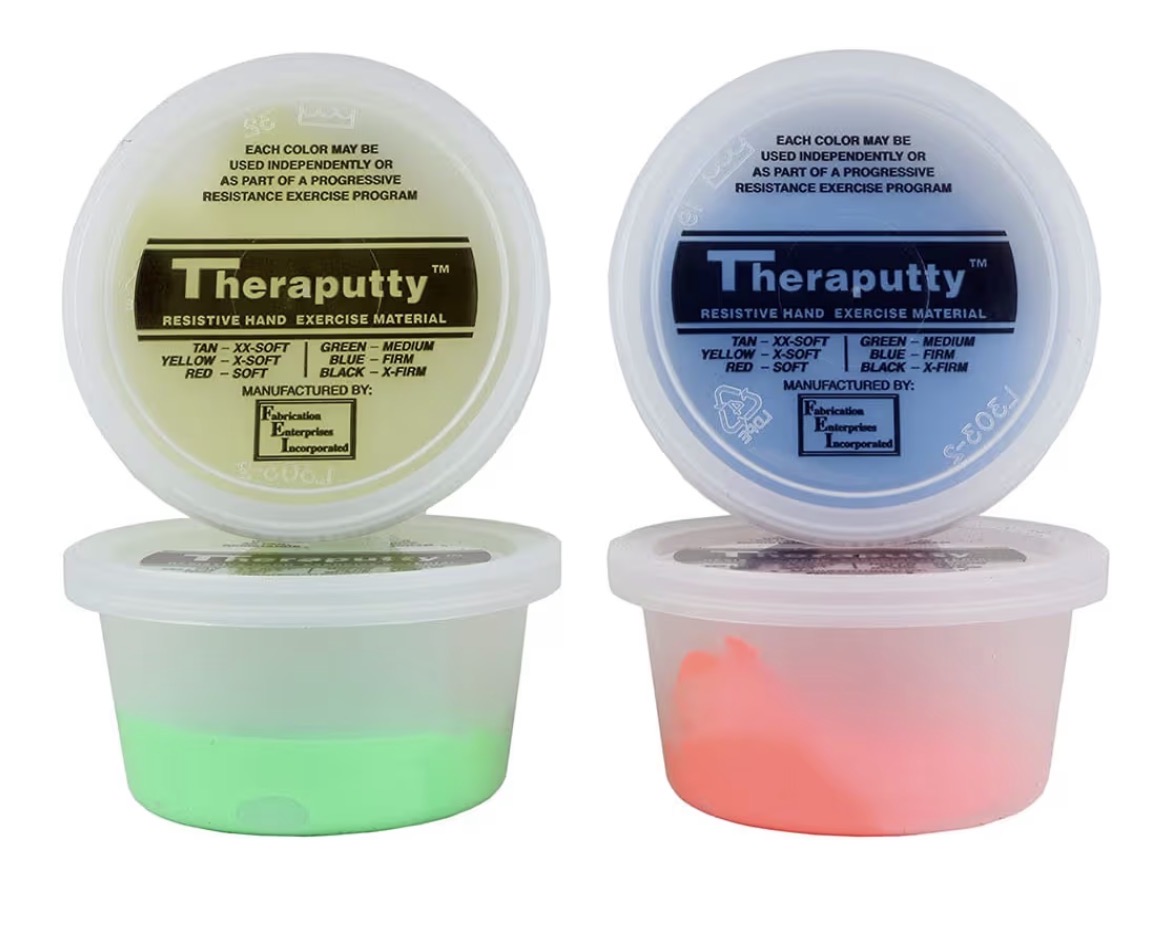
Most common starting pointHelping children explore and tolerate different textures — builds tactile discrimination and can calm or alert the nervous system

Proprioceptive (Deep Pressure & Heavy Work)
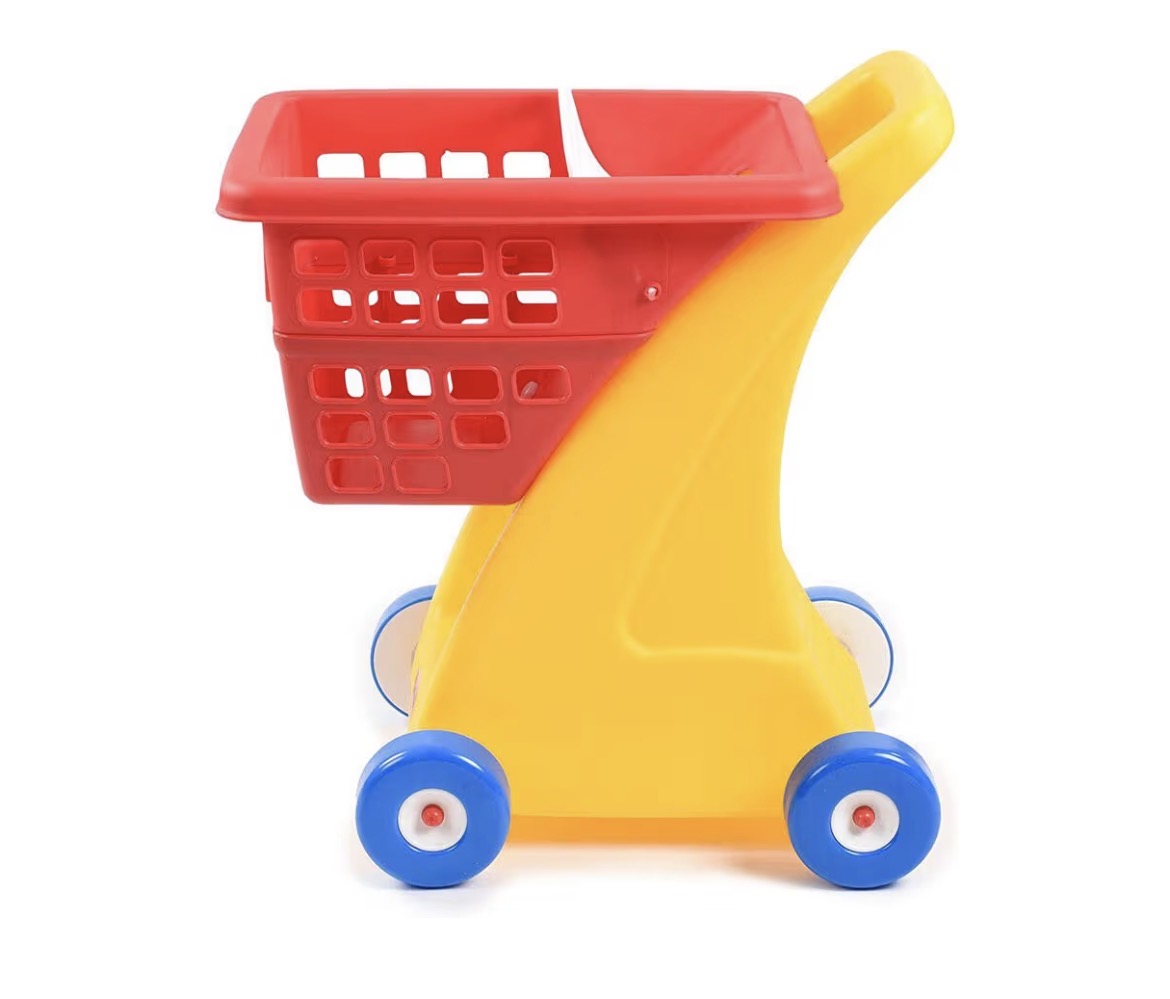
The calming systemDeep pressure and 'heavy work' input to calm and organize the nervous system — particularly important for sensory seekers and children who are easily dysregulated
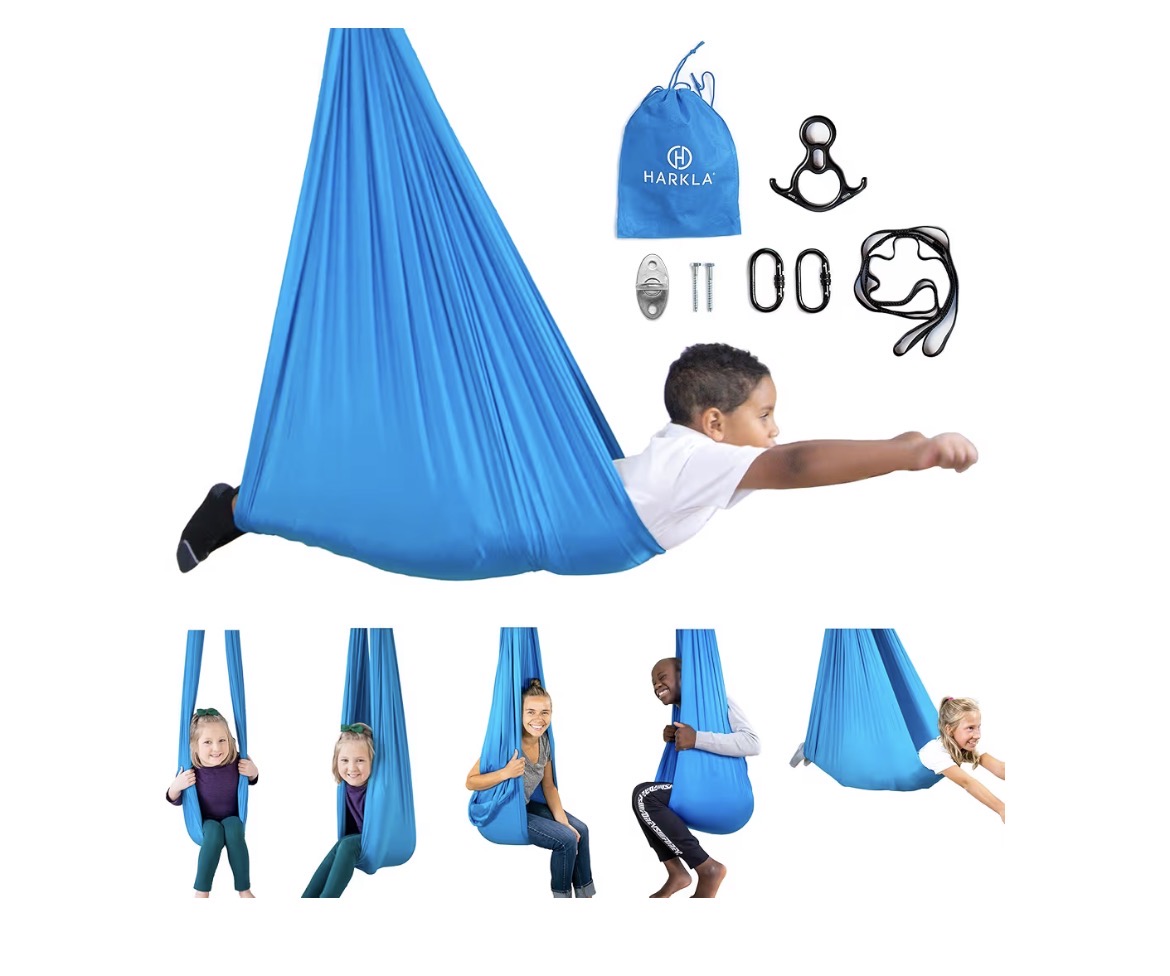
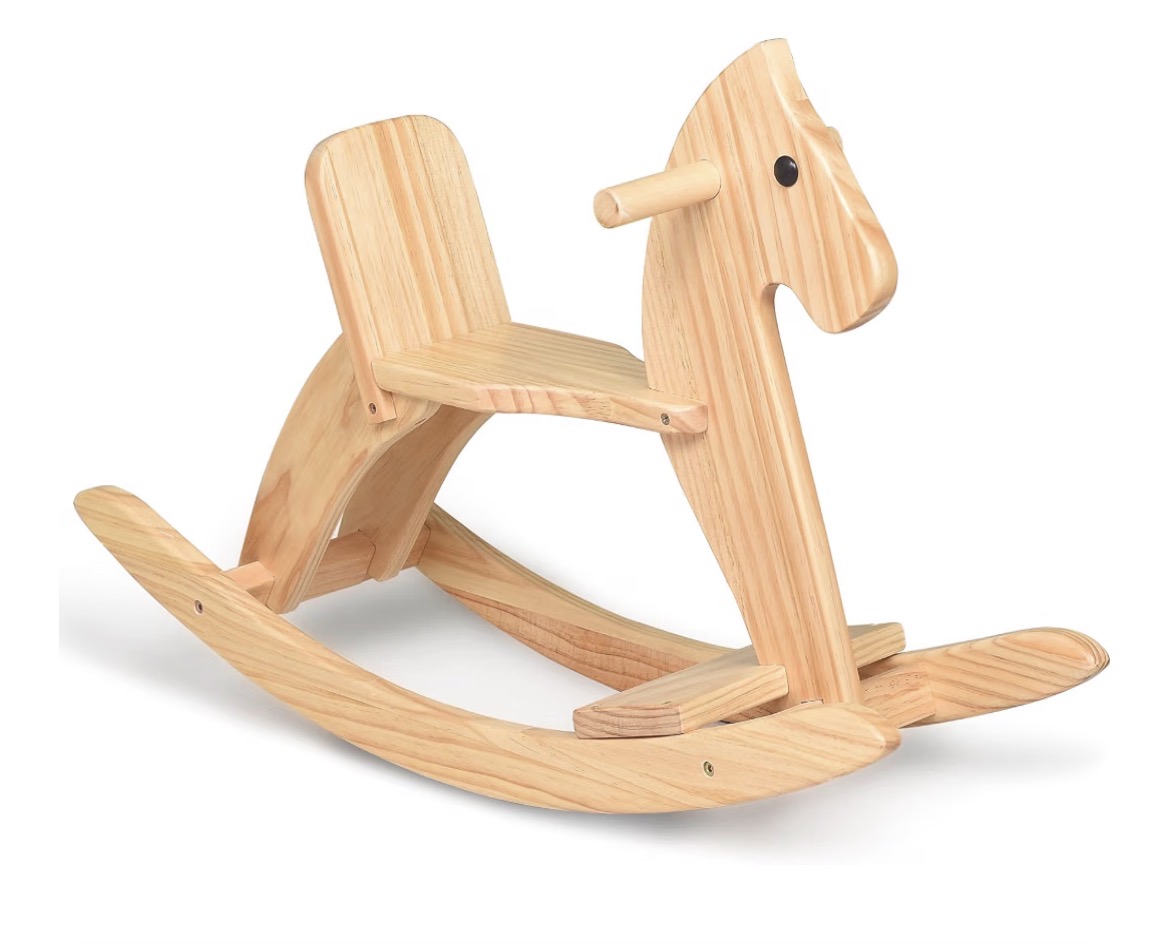
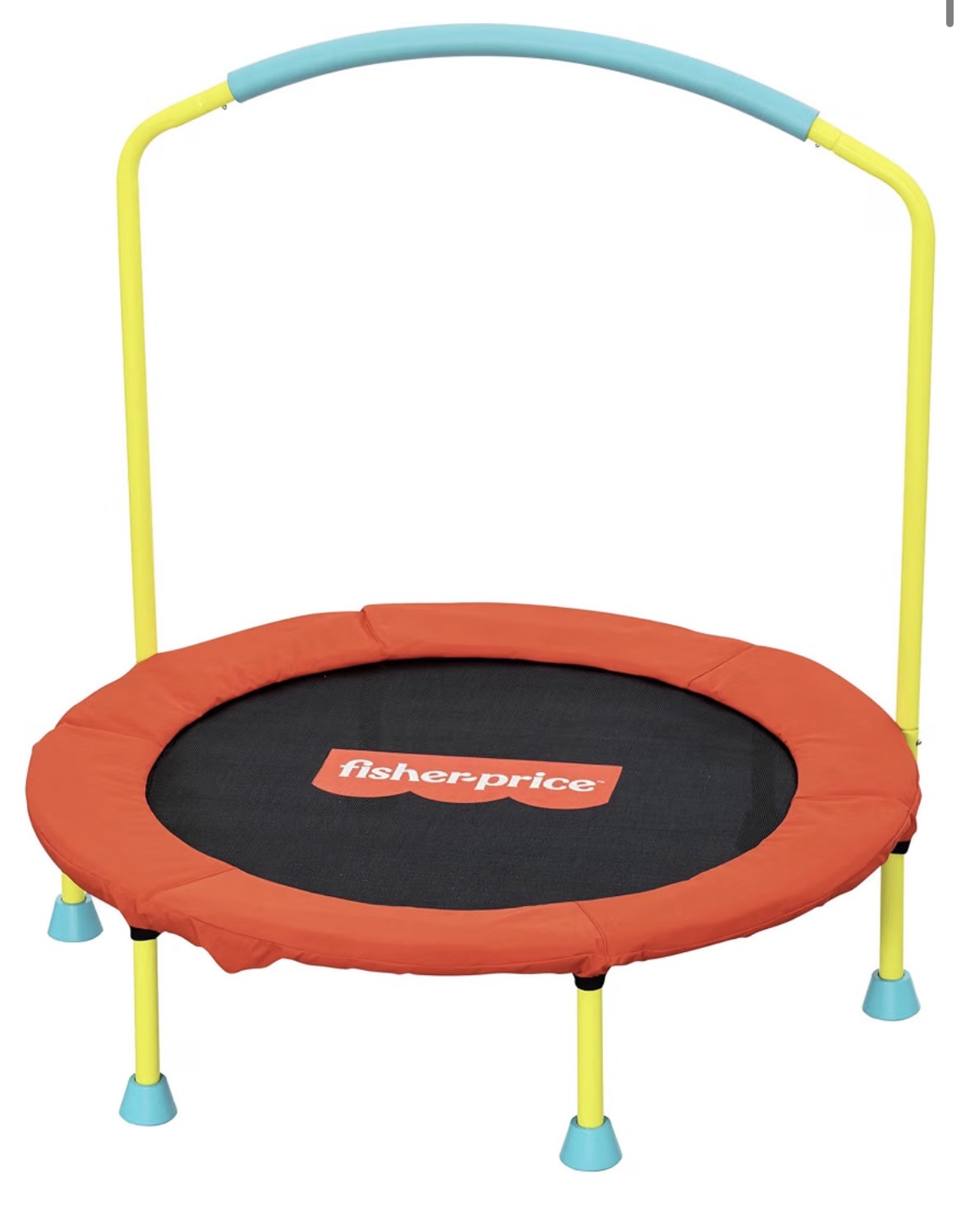
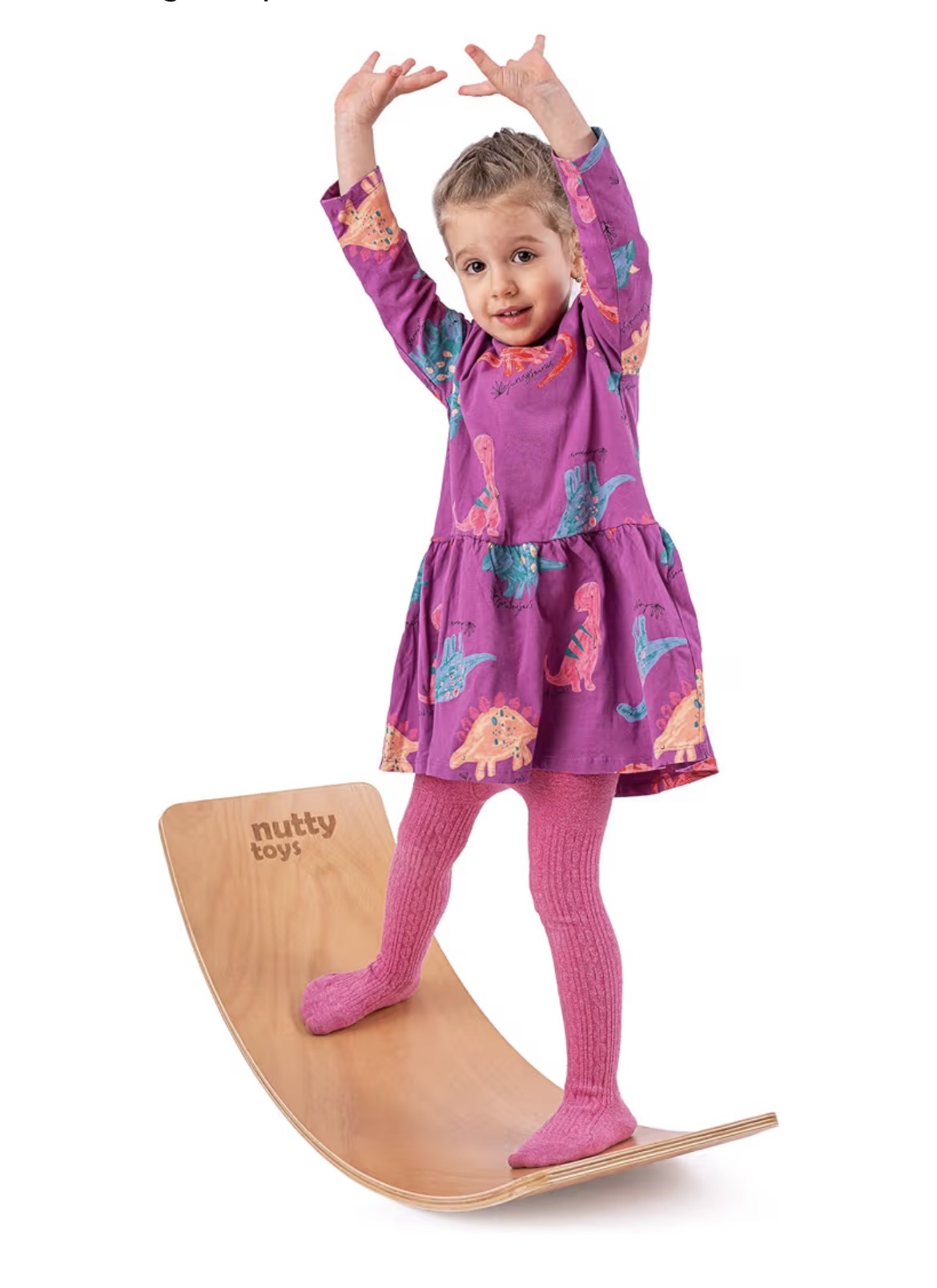
Vestibular (Movement & Balance)
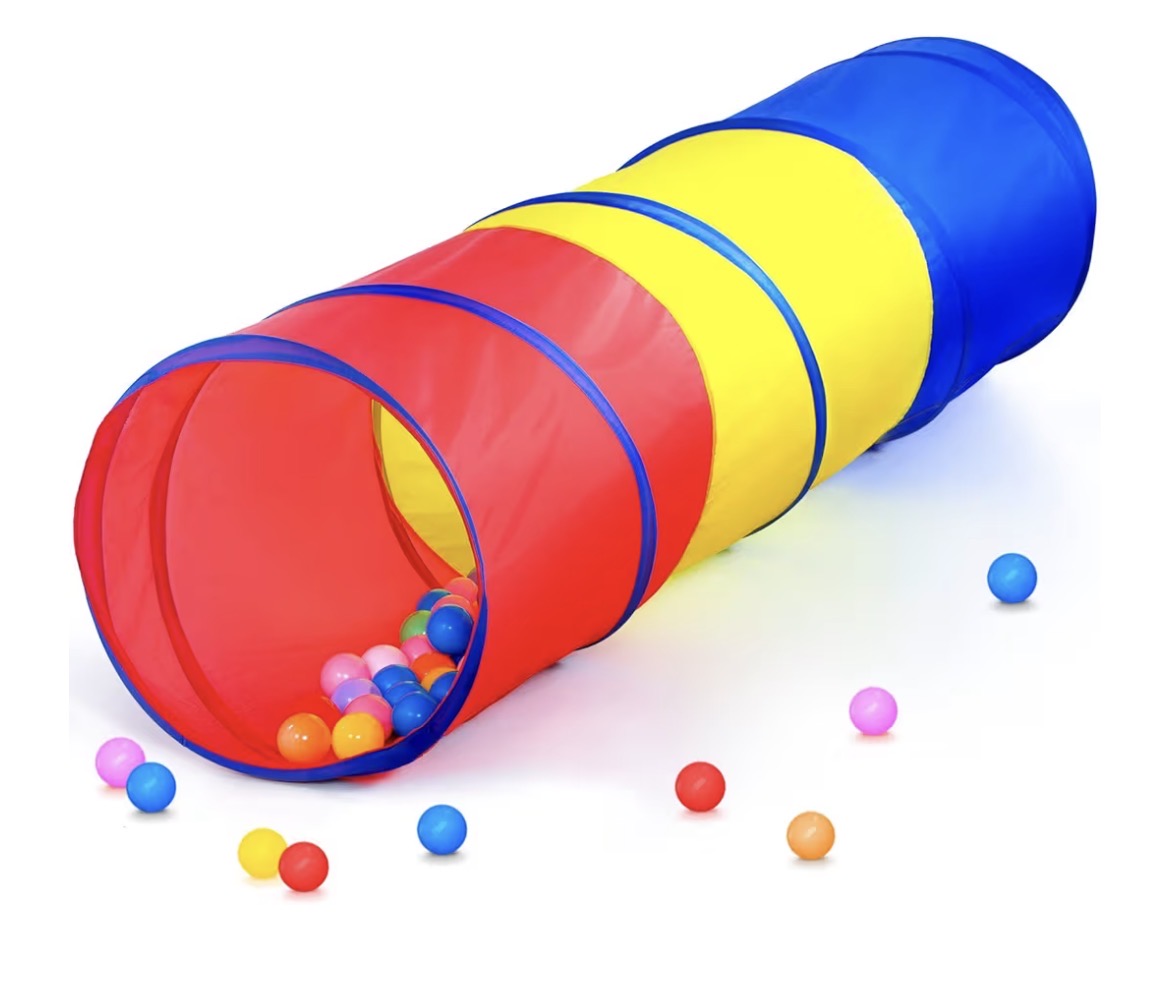
Balance & regulationMovement input that supports balance, coordination, and regulation — for children who seek movement or who have balance and motor challenges
Oral Sensory
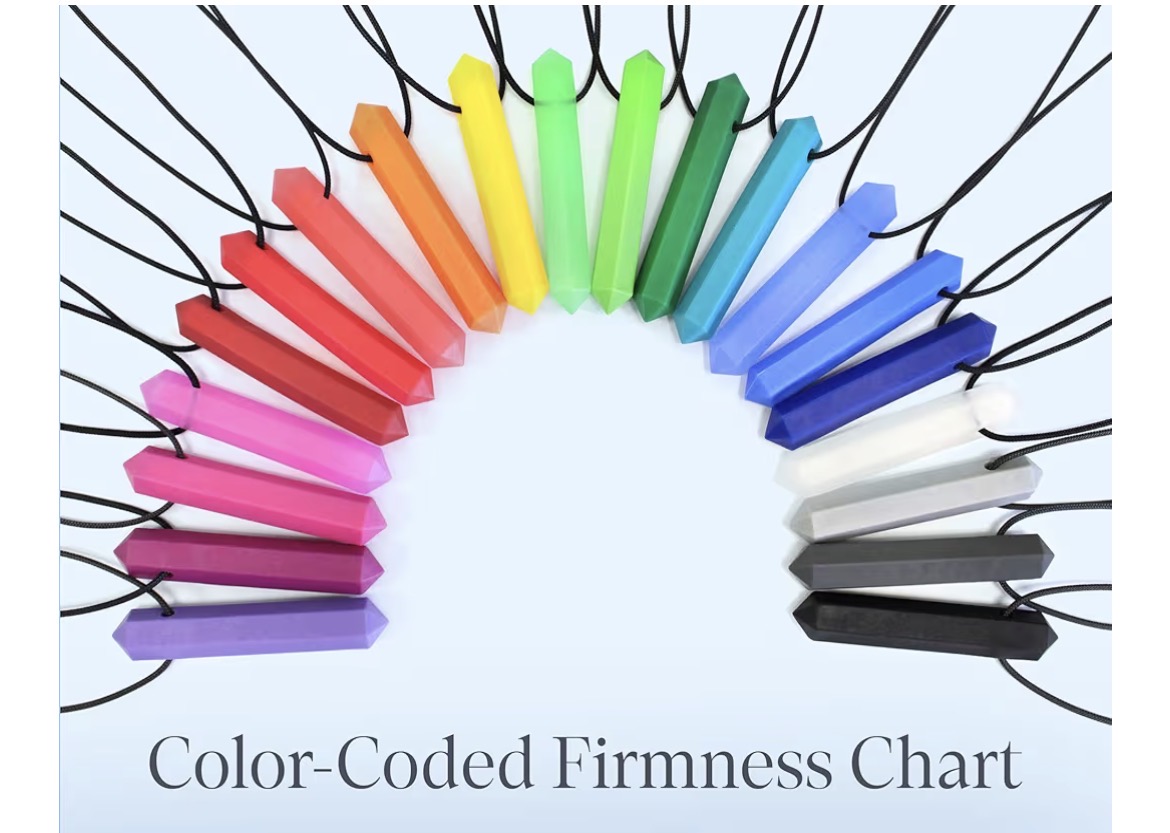
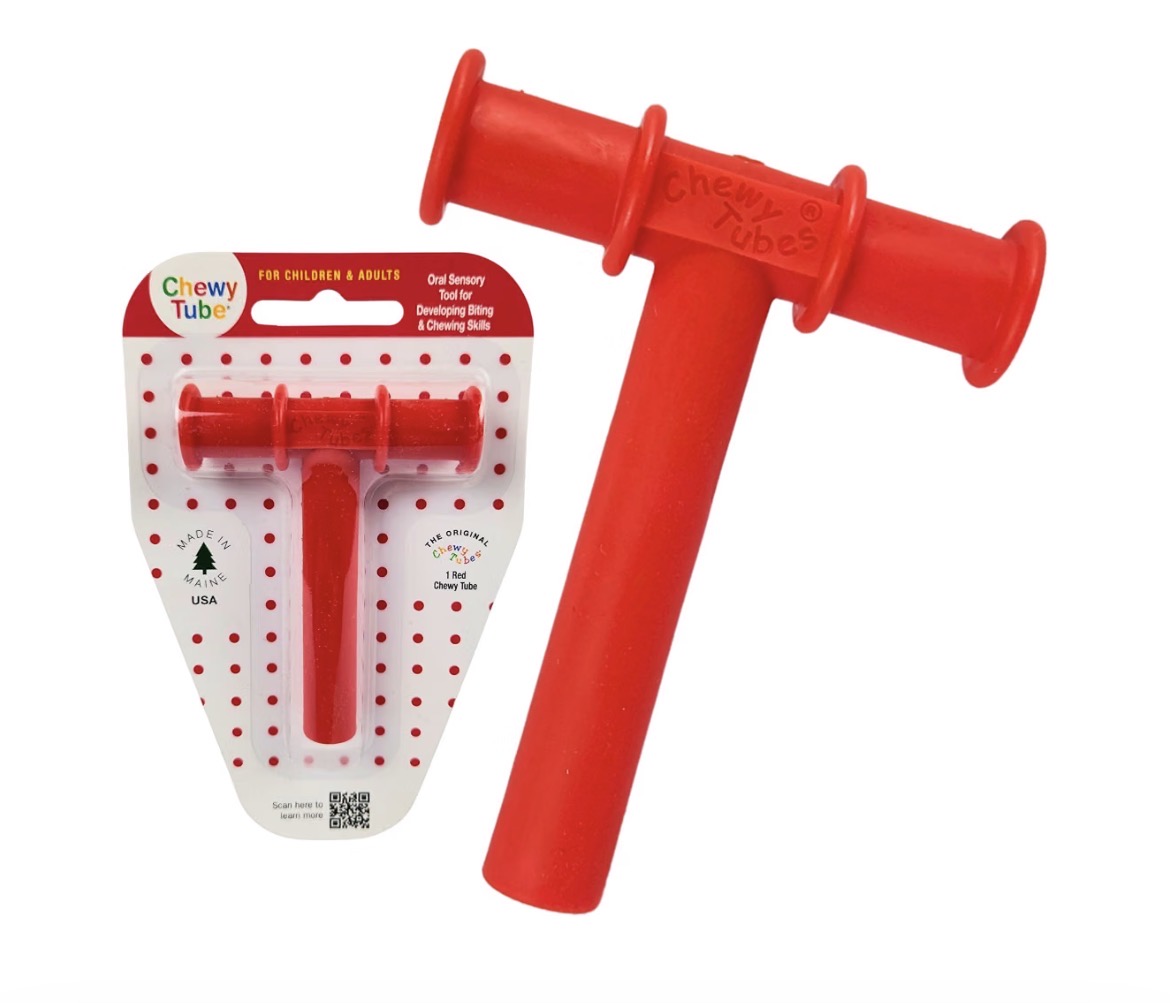
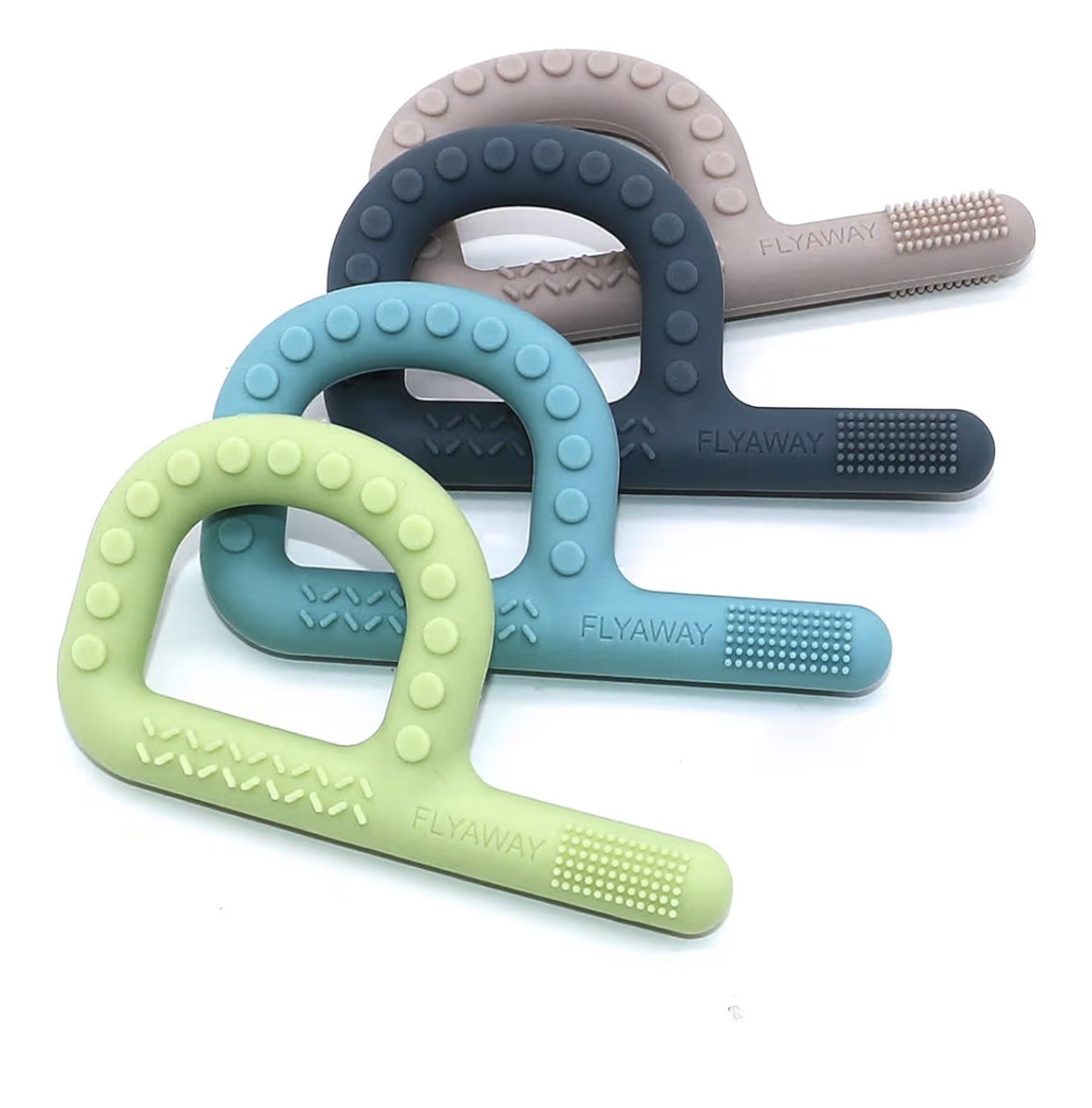
For children who mouth and chewSafe oral sensory input for children who chew on clothing or non-food items — provides a therapeutic alternative that meets the sensory need safely
For sensory avoiders — go slow
For children who avoid sensory input, exposure should always be slow and completely child-led. Never force sensory experiences. Toys should be introduced gradually in a low-pressure way. Your child's OT can guide a proper sensory desensitization approach — do not attempt this without their guidance.
Safety note — water beads warning
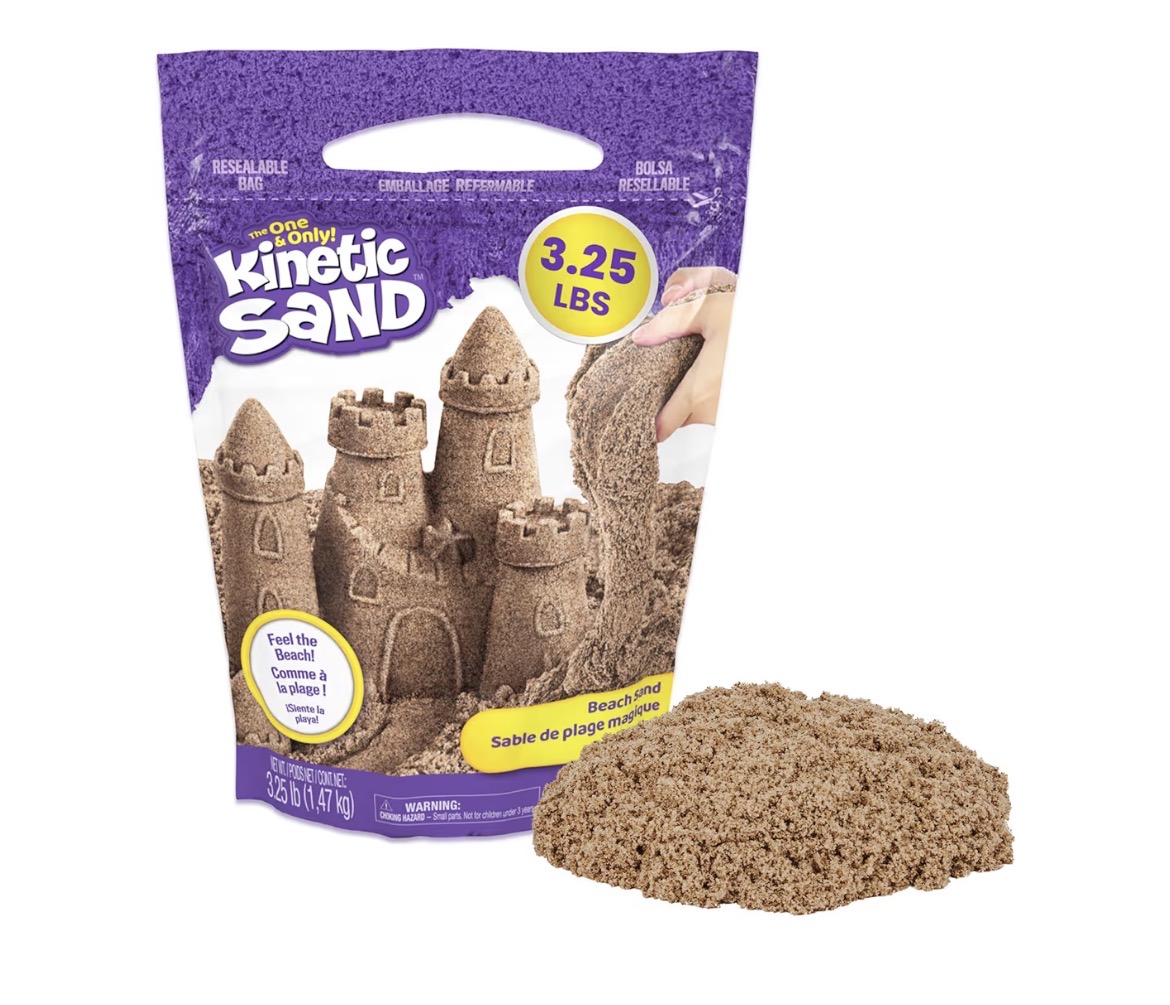
Water beads are extremely dangerous if swallowed — they expand and can cause intestinal blockage requiring surgery. They are not recommended for children in early intervention who may mouth objects. Use rice, dried pasta, kinetic sand, or large dried beans for sensory bins instead.
As an Amazon Associate I earn from qualifying purchases. Links on this page are affiliate links — this does not affect the price you pay or which products are recommended. We only recommend products that appear consistently in OT and therapy sources.